
 Facebook
 X
X
 Pinterest
 Copy Link
How Much Is My Home Worth in Today’s DMV Market? (Spring 2026 Update)
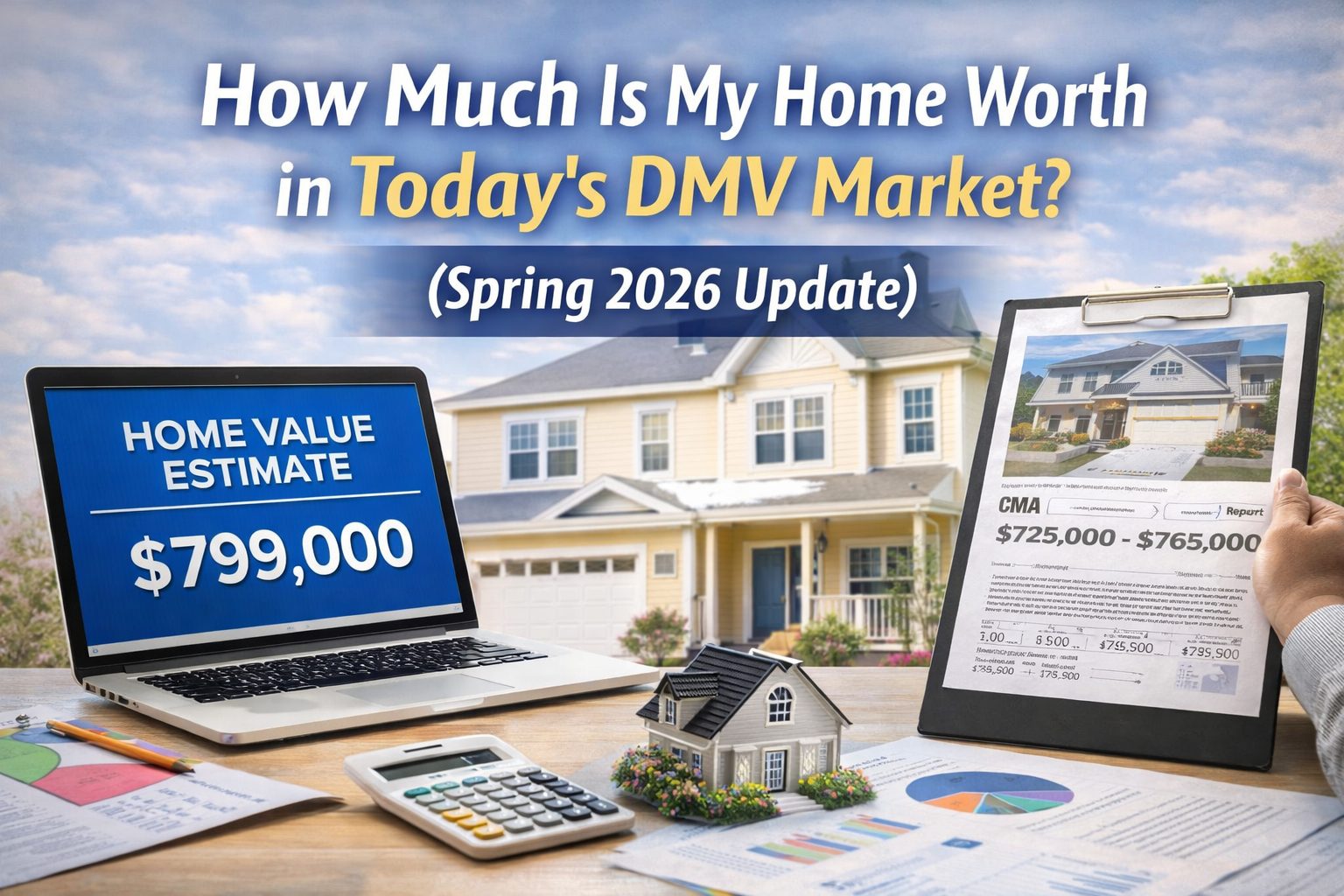
If you’re thinking about selling your home this spring, your first question is probably simple:
What is my home actually worth right now?
Not what Zillow says. Not what your neighbor thinks. Not what you hope it’s worth.
What it would realistically sell for in today’s market.
I’ve been having this conversation a lot lately with homeowners across DC, Maryland, and Virginia, and the truth is, home values right now are not as straightforward as people think.
Why Online Estimates Don’t Tell the Full Story
Most people start with an online estimate. That makes sense.
But those numbers can be off, sometimes by a little, sometimes by a lot.
That’s because they don’t see things like:
- The actual condition of your home
- Upgrades or renovations
- How your home compares to others on your specific street
- What buyers are doing right now in your price range
Online tools are pulling from general data. They’re not walking through your home or analyzing how it would compete if it hit the market this week.
What Actually Determines Your Home’s Value
In this market, value comes down to a few key things.
Location (And Not Just the City)
Even within the same zip code, values can vary a lot. School zones, proximity to Metro, and neighborhood demand all play a role.
Two homes that look similar on paper can sell for very different prices depending on where they sit.
Condition and Presentation
This matters more than most people expect.
Buyers right now are more selective. If a home feels move-in ready, it tends to attract stronger interest. If it needs work, buyers factor that in quickly.
Sometimes small updates can make a noticeable difference. Other times, it’s more about presentation than renovation.
Recent Comparable Sales
What has actually sold nearby, not what’s listed, is one of the biggest indicators.
But even that needs context.
A home that sold two months ago may not reflect what’s happening today if buyer activity has shifted.
Buyer Demand in Your Price Range
Not every price point is behaving the same right now.
Some ranges are highly competitive. Others are more balanced.
Understanding where your home fits makes a big difference in how it should be priced and marketed.
What I’m Seeing Right Now in the DMV
As we move into spring 2026, a few things are happening at the same time.
More homes are starting to hit the market. That’s normal for this time of year.
Buyer activity is still there, but buyers are more aware of their options. They’re taking a little more time and paying closer attention to value.
Homes that are priced correctly and show well are still moving. Homes that miss the mark, even slightly, tend to sit longer than they would have a few months ago.
So pricing matters. Probably more than anything else right now.
Why Your Home Doesn’t Have Just One Price
This is something a lot of people don’t realize.
Your home doesn’t have one fixed value. It has a range.
For example, a home might realistically sell somewhere between two price points depending on:
- How it’s priced from the start
- How it’s presented
- How much competition is on the market
- How buyers respond in the first couple of weeks
That’s why strategy matters just as much as the number.
What You Should Do Next
If you’re even thinking about selling this spring, the best thing you can do is get a clear, realistic understanding of your home’s value based on what’s happening right now.
Not last year. Not six months ago. Right now.
That usually means looking at:
- Recent sales
- Active competition
- Your home’s condition
- And how buyers are behaving in your price range
From there, you can decide what makes the most sense for you.
Final Thoughts
The market is still active in the DMV, but it’s a little more thoughtful than it was.
Buyers are paying attention. Sellers need to be intentional.
If you price and position your home correctly, you can still have a strong outcome this spring. But guessing or relying on rough estimates can lead to missed opportunities.
Curious What Your Home Is Worth Right Now?
If you want a more accurate idea of what your home could sell for in today’s market, I’m happy to take a look and walk you through it.
No pressure. Just a real conversation based on what’s happening in your neighborhood so you can decide what makes sense for you.
Should I Sell My Home Now or Wait Until Spring 2026 in the DMV?

If you’re thinking about selling your home in DC, Maryland, or Virginia, you’re probably asking one big question right now:
Should I list now, or wait until the spring market?
I’ve been having this conversation a lot lately, especially as we move through February. The answer is not one-size-fits-all, but there are some clear patterns in the DMV that can help you make the right decision.
Let’s break it down.
What Makes Spring So Popular for Sellers?
Spring is traditionally the busiest time of year for real estate, and there are a few reasons why.
Buyers are more active. The weather improves. Families want to move before the next school year. Everything just feels more convenient.
Because of that, many sellers assume waiting until spring automatically means:
-
More buyers
-
Higher offers
-
Faster sales
And sometimes that’s true.
But not always.
What’s Happening Right Now in Early 2026
Right now, we’re in that window just before the spring rush.
Here’s what I’m seeing in the DMV:
Inventory is still relatively low compared to what we typically see later in the spring. That means there’s less competition for sellers who list now.
At the same time, there are still serious buyers in the market. These are not casual browsers. These are people who need to move and are ready to act.
That combination can work in your favor.
The Advantage of Selling Now
Listing your home now, before the spring surge, can put you in a strong position.
Here’s why.
Less Competition
If you list in February or early March, you’re competing with fewer homes. That gives your property a better chance to stand out.
More Serious Buyers
Buyers shopping right now are typically more motivated. They’re not just looking for fun. They have a timeline.
Strong Pricing Opportunities
When demand is steady and inventory is limited, well-priced homes can still attract strong offers.
The Advantage of Waiting Until Spring
Now, waiting can also make sense depending on your situation.
More Buyers Enter the Market
As we move into April and May, buyer activity usually increases. More eyes on your home can lead to more showings.
Potential for Multiple Offers
With more buyers comes the possibility of competition, especially for well-presented homes in desirable areas.
Better Timing for Some Sellers
If you need more time to prepare your home, make repairs, or coordinate your next move, waiting may reduce stress.
The Risk of Waiting
This is the part many sellers overlook.
When more homes hit the market in the spring, you also get more competition.
That means:
-
Buyers have more options
-
Pricing becomes more sensitive
-
Your home needs to stand out even more
Also, market conditions can shift. Interest rates, buyer confidence, and economic factors can all influence how the spring market actually performs.
Waiting does not guarantee a better outcome.
So, What Should You Do?
The best decision comes down to your specific situation.
Selling now may make sense if:
-
Your home is ready or close to ready
-
You want to take advantage of lower competition
-
You are flexible and can move quickly
Waiting may make sense if:
-
You need time to prepare or make updates
-
Your timeline is tied to a specific date
-
You prefer to list during peak buyer activity
What Most Sellers Get Wrong
The biggest mistake I see is trying to “time the market” perfectly.
Instead, focus on:
-
Your goals
-
Your timeline
-
Your home’s condition
-
What’s happening in your specific neighborhood
Real estate in the DMV is very local. Two homes in the same price range can perform very differently depending on location and presentation.
Final Thoughts
There is no perfect month to sell, only the right strategy for your situation.
Both timing options can work. The key is understanding how to position your home correctly based on when you decide to list.
If you’re even thinking about selling this year, the best first step is to get a clear picture of what your home could sell for right now and what strategy would put you in the strongest position.
Thinking About Selling This Year?
Every home and situation is different, especially in a market like the DMV.
If you want to talk through your options, look at your home’s value, and figure out whether now or spring makes more sense for you, I’m happy to help.
No pressure. Just a conversation so you can make the right decision with real information.
Government Uncertainty in 2026: How It Could Impact the DMV Housing Market
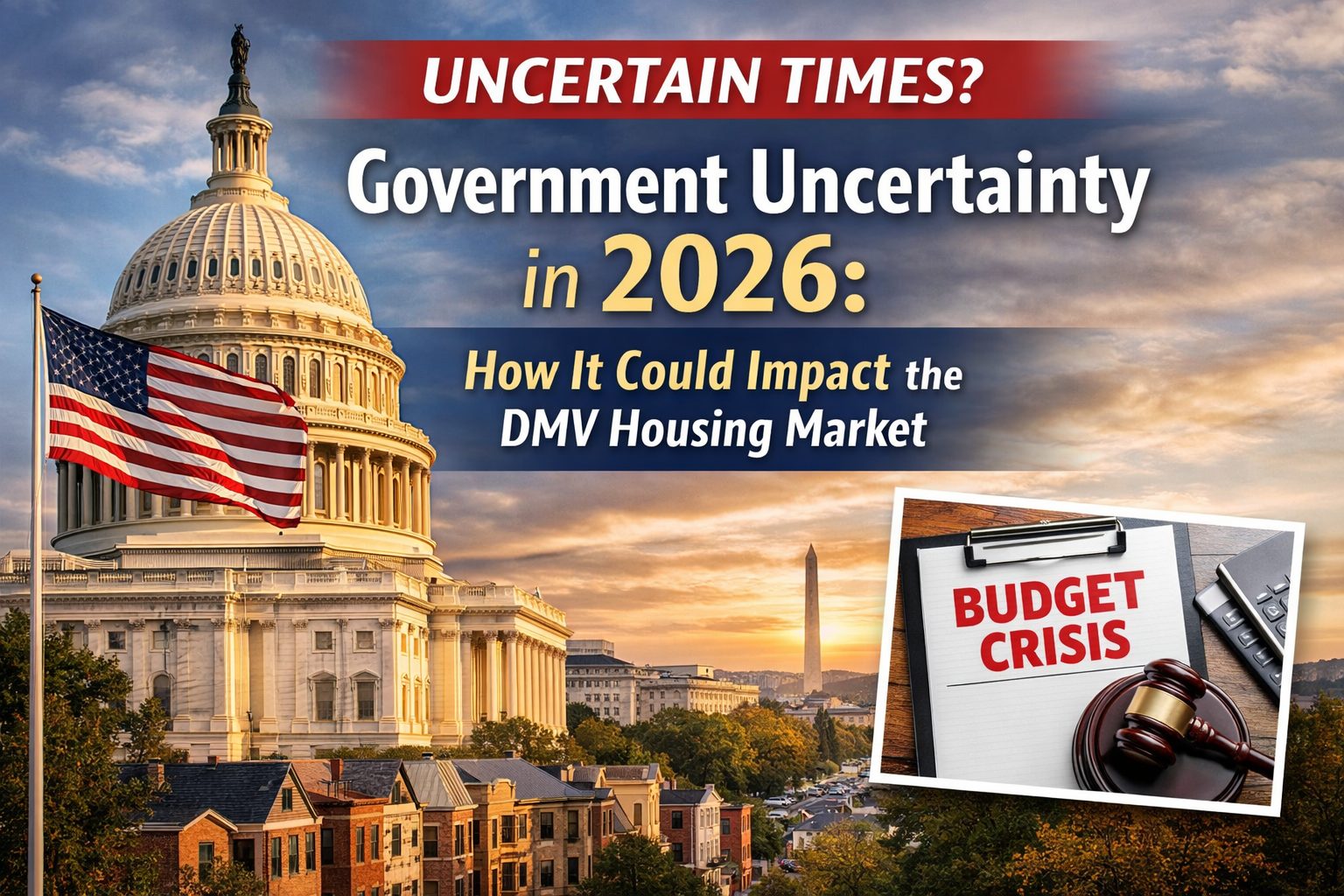
If you live in DC, Maryland, or Virginia, you already know this. What happens in Washington doesn’t stay in Washington.
Any time there’s government uncertainty, whether that’s budget debates, potential shutdowns, or policy shifts, it naturally raises questions for people thinking about buying or selling a home in the DMV. I’ve been getting a lot of those questions lately, so let’s break this down clearly and realistically.
No hype. No panic. Just what actually matters.
Why Government Uncertainty Hits the DMV Differently
The DMV housing market is unique because of how closely it’s tied to federal employment.
We have federal employees, government contractors, consultants, vendors, and industries that support them.
When there’s uncertainty around government funding or stability, it can affect confidence, not necessarily demand. That distinction matters.
Historically, during periods of government uncertainty, some buyers pause briefly, some sellers hesitate to list, but housing activity doesn’t stop. It shifts.
What Buyers Are Feeling Right Now
For buyers, uncertainty usually shows up as hesitation.
I hear questions like:
-
Should I wait?
-
What if my job situation changes?
-
Will prices drop if things slow down?
Here’s the reality. Most buyers don’t exit the market entirely. They become more selective.
That can actually work in your favor.
Potential Buyer Advantages
There may be slightly less competition in certain price ranges. Some homes sit longer, which can create more room for negotiation. Sellers may also be more open to concessions or closing cost assistance.
For buyers who are financially stable and planning to stay in their home for several years, periods like this can create quiet opportunities.
What Sellers Should Pay Attention To
For sellers, timing and pricing matter more during uncertainty.
When confidence dips, overpriced homes sit. Well priced homes still move. Presentation becomes critical.
This isn’t the type of market where you test a high price just to see what happens. Buyers are more cautious and they are paying close attention to value.
What Still Sells in Uncertain Times
Homes that are priced correctly from day one. Properties that show well and feel move in ready. Locations with strong commuter access and nearby amenities.
Homes that check those boxes continue to sell, even when the headlines feel noisy.
Does Government Uncertainty Mean a Market Crash?
Short answer, no.
In the DMV, uncertainty usually causes temporary slowdowns, not dramatic drops. Housing demand here is supported by long term job stability, population density, and limited inventory, especially in popular neighborhoods.
What we tend to see instead is a slower pace, more thoughtful buyers, and a clearer separation between homes that are priced right and those that aren’t.
What This Means If You’re Thinking About Making a Move
Whether you’re buying or selling, the key is not to make decisions based solely on headlines.
Instead, focus on your personal financial situation, your timeline, and your specific neighborhood and price range.
Real estate is always local, and that’s especially true in a market like the DMV.
Final Thoughts
Government uncertainty can feel unsettling, but it doesn’t mean the DMV housing market stops working.
It simply becomes more strategic, more value driven, and more dependent on good information.
If you’re considering buying or selling in DC, Maryland, or Virginia this year, having a clear plan matters more than trying to time the news cycle.
As always, I’m here to help break things down and talk through what makes sense for your situation.
Thinking about buying or selling in the DMV this year?
Every situation is different, especially during times of uncertainty. If you’d like to talk through what the current market means for your specific goals, I’m always happy to help.
You can reach out for a one on one conversation to look at your options and decide what makes the most sense for you, whether that’s moving now or waiting.
DMV Housing Market Trends: What Buyers & Sellers Need to Know Right Now

If you’re thinking about buying or selling a home in Washington, DC, Maryland, or Virginia, you’ve probably seen a lot of confusing headlines about the housing market.
Some say prices are crashing.
Others say it’s still competitive everywhere.
The truth is more nuanced, and very local.
Here’s what’s actually happening in the DMV housing market, and what it means for you as a buyer or seller.
The Big Picture: A More Selective Market
Across the DMV, the market has shifted away from the frenzy of past years — but it hasn’t stalled.
What we’re seeing instead is a selective market:
-
Well-priced homes in strong locations are still selling
-
Overpriced or poorly presented homes are sitting longer
-
Buyers are more cautious, but still active
This means strategy matters more than timing.
Washington, DC: Still Competitive — But Smarter
In DC, demand remains strong, especially in walkable neighborhoods and desirable school districts.
Key trends in DC:
-
Buyers are taking more time before making offers
-
Condos and single-family homes are behaving differently
-
Negotiations, inspections, and seller credits are back
Homes that are priced correctly and show well continue to attract serious buyers. Those that don’t are often seeing price adjustments.
Maryland: Value, Space, and Flexibility
Maryland continues to attract buyers looking for more space and better value compared to DC.
What we’re seeing in Maryland:
-
Strong interest from buyers relocating from DC
-
Suburban areas performing well
-
More flexibility with pricing and terms in certain communities
Maryland is especially appealing for buyers who want room to grow without sacrificing access to the city.
Northern Virginia: Demand Driven by Location & Commute
Northern Virginia remains one of the most competitive areas in the DMV, particularly for buyers focused on commute access and employment hubs.
Current trends include:
-
Continued demand near major transit and job centers
-
Interest in newer construction and townhomes
-
Fewer bidding wars, but steady pricing
Buyers here are more intentional, but well-positioned homes still move quickly.
What This Means for Buyers
If you’re buying in the DMV right now, this market offers opportunities, if you’re prepared.
Smart buyer strategies include:
-
Focusing on total cost, not just interest rates
-
Being open to negotiation where appropriate
-
Prioritizing location and long-term value
This is one of the better environments we’ve seen in recent years to buy without rushing.
What This Means for Sellers
For sellers, pricing and presentation are more important than ever.
Key seller takeaways:
-
Overpricing is no longer forgiven
-
First impressions matter again
-
The first two weeks on the market are critical
Homes that are positioned correctly are still selling, but strategy matters.
Why Local Expertise Matters in the DMV
National headlines don’t reflect how different neighborhoods behave across DC, Maryland, and Virginia.
Each market, and even each price point, tells a different story. That’s why local guidance can make a meaningful difference in outcomes.
Final Thoughts
The DMV housing market isn’t crashing, it’s normalizing.
Buyers have more room to think.
Sellers need to be more strategic.
And informed decisions matter more than ever.
If you’re planning to buy or sell in the DMV and want insight tailored to your situation, getting local clarity is key.
Understanding the 50-Year Mortgage: What It Is, How It Works, and Whether It’s Right for You
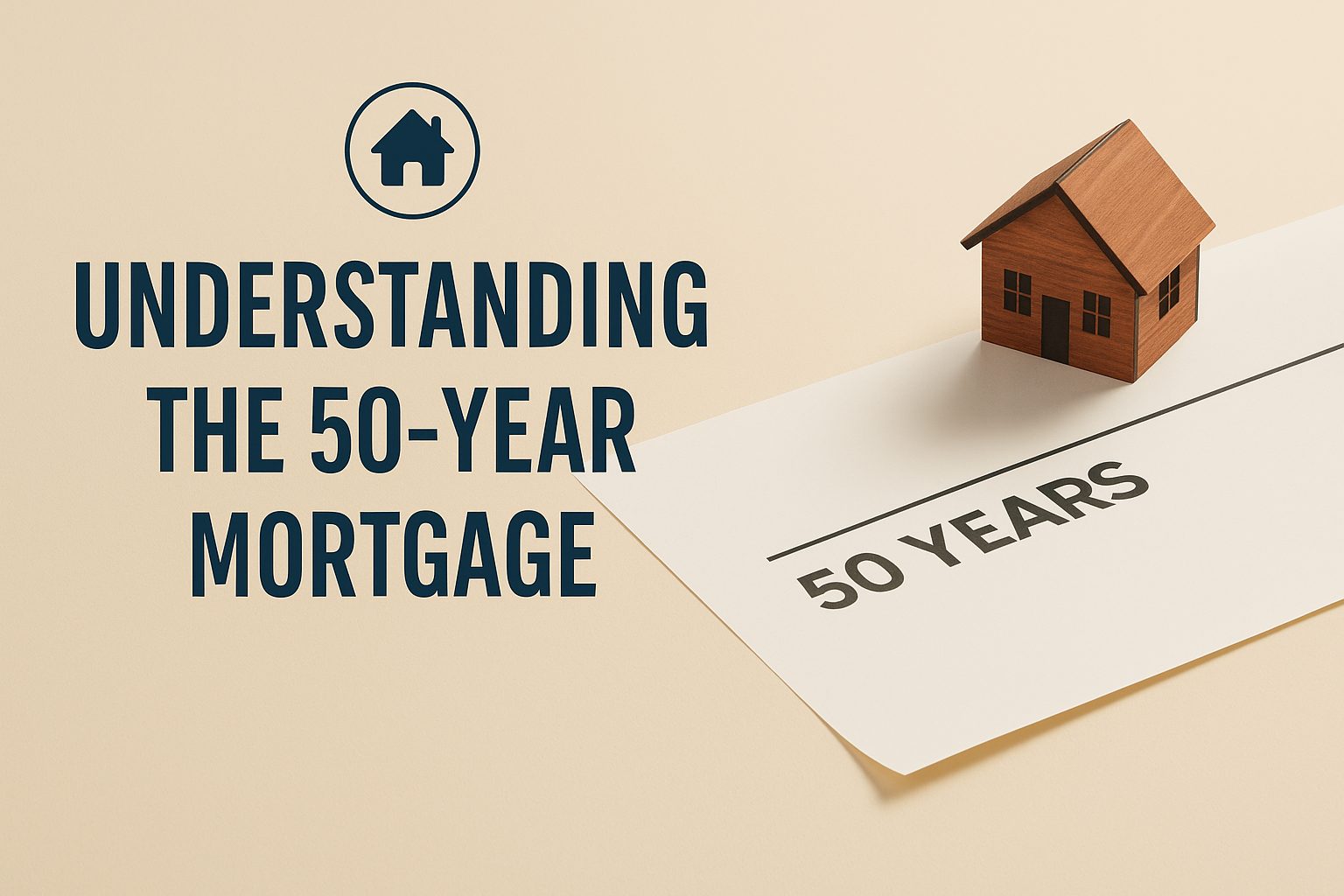
As a realtor serving the DC, Maryland, and Virginia region, it’s essential to help clients understand all the financing options (and trade-offs) that can affect their home-buying journey. One concept increasingly in the news is the idea of a 50-year mortgage—so let’s break it down, explore the benefits and drawbacks, and see how it might (or might not) make sense in our market.
What is a 50-Year Mortgage?
A 50-year mortgage simply means a home loan where you’re amortizing (paying down) the principal + interest over 50 years (600 monthly payments) instead of the standard 30 years (360 payments). Better Mortgage+2WHEC.com+2
Such a loan term is being discussed at the federal level as one potential tool to address housing affordability. For example:
-
The Federal Housing Finance Agency (FHFA) has floated the concept of allowing 50-year loans under their oversight. Politico+1
-
The idea is to reduce the monthly payment burden by stretching the term out. Better Mortgage+1
It’s important to note: Currently, most conventional mortgages (especially ones backed by the agencies) limit terms to 30 years, so a 50-year term would require regulatory and investor-market changes. AP News+1
Potential Benefits
Here are some of the reasons a 50-year mortgage might appeal to certain buyers:
-
Lower monthly payments
Because you’re spreading the repayment over a much longer period, your monthly payment (principal + interest) can be substantially lower compared to a 30-year term for the same loan amount. Better Mortgage+1-
For example: One estimation showed a median-priced home (~$415,200) at current rates might have a monthly payment of $2,288 under a 30-year loan, and ~$2,022 under a 50-year loan. AP News+1
-
Another example: At 6.3% interest, with ~$200,000 loan size, the payment drop was ~$137/month. WHEC.com
That payment relief might help buyers in higher-cost markets (like the DC metro area) qualify for a home they otherwise couldn’t.
-
-
“Foot in the door” effect / flexibility for future refinancing
Some buyers may view this as a strategic move: use the lower payment now to enter the market, and later refinance to a shorter term when their income rises or when home value has increased. Better Mortgage-
This might be especially relevant for younger buyers, or those expecting growth in income.
-
It gives greater reach (you might afford a higher-priced home) than you could with a tighter 30-year payment constraint.
-
-
Affordability in high-cost markets
In expensive housing markets (like many parts of MD/VA/DC), the barrier to entry is high. A long‐term loan could make homeownership feasibly reachable for some who are otherwise priced out.
Key Drawbacks & Risks
However, while the benefits may sound appealing, there are real trade-offs and risks that you (and your clients) should fully understand:
-
Much higher total interest paid & slower equity accumulation
-
Because you’re borrowing for longer, far more of your payments go toward interest rather than principal in the early years. Over time, that adds up. Better Mortgage
-
For example: One article estimated that compared to a 30-year loan, a 50-year loan could add as much as ~$389,000 in additional interest on a typical home. AP News+1
-
Another example: On a $400,000 loan at 6.5% interest, a 30-year loan’s total cost might be ~$910,178 (of which ~$510,178 interest). A 50-year at same rate could cost ~$952,921 (interest >$550k). Better Mortgage
-
Slower build-up of equity means if you need to sell or refinance earlier, you might have less flexibility or less net gain.
-
-
Risk of being “in debt” far longer—into retirement or beyond
-
With a 50-year term, many buyers may still owe a large balance when they are in their 60s, 70s or even older. For example: If first-time homebuyer is ~40 years old today, they’d be ~90 by loan end. One article pointed out average U.S. life expectancy ~79 years. AP News
-
That means the loan could extend past your working life, which raises questions about risk if income drops, or if you want to downsize in retirement.
-
-
Potential for higher interest rates & harder investor market
-
Lenders (and investors) see longer-term loans as riskier (more time for things to go wrong, more inflation/interest-rate-risk). So even if the term is longer, the interest rate may be higher than what a 30-year loan gets. That reduces the monthly-payment benefit. Better Mortgage+1
-
Also: Because current law limits many agency-backed mortgages to 30 years, a 50-year loan may not be “conforming” and may require higher down payment, stricter underwriting, or fewer lender options. AP News
-
-
Doesn’t solve all affordability issues—in fact could worsen some
-
One major critique: Extending loan length doesn’t address the supply side of housing (i.e., lack of homes, rising raw material costs, labor shortage). So it may offer short-term relief but not long‐term affordability. Politico+1
-
Also: If many buyers qualify for more expensive homes thanks to longer terms, demand may increase and push up home prices—making affordability still tougher. Better Mortgage
-
-
Potential risk if you don’t plan to refinance or pay down early
-
If you simply take the 50-year term, stay in the home for decades, and never pay extra, you might end up with a large balance for a very long time, which might limit future options (selling, moving, leveraging equity).
-
Some analysts caution that the “lower payment” may tempt buyers to overreach and stretch their budget in other areas. MarketWatch
-
How to Evaluate Whether It’s Right for You (or Your Client)
Here are some practical questions to run through:
-
How long do you plan to stay in the home? If you expect to move or refinance in 5-10 years, a 50-year term might be a stepping-stone. If you plan to stay 30+ years, weigh the long-term cost.
-
What’s your income / job stability like? The longer the loan, the longer your payment obligation extends. Consider what life looks like in 10, 20, 30 years.
-
Can you handle higher interest or refinance later? If the 50-year loan carries a higher rate, ensure you’re comfortable with that and have a plan (e.g., refinance when rates drop or when you are more financially stable).
-
Are you planning to build equity or treat home as long-term wealth instrument? If yes, then slower equity build‐up is a meaningful trade-off.
-
What’s your budget for monthly payments? If payment constraints are the main barrier and you’re okay with longer-term debt, then this may make sense—just be clear about the trade-offs.
-
Are you working with a skilled lender and advisor? Because this is a less-common structure (and possibly non-conforming in our region), you’ll want expert underwriting, clear disclosure, and a clear exit strategy.
What It Means for the DMV (DC-MD-VA) Market
In our region (Washington metro area, Maryland suburbs, Northern Virginia) housing costs are high and affordability is a challenge. A 50-year term could:
-
Enable some buyers to qualify for homes they thought were out of reach by reducing the monthly payment burden.
-
Be most relevant for younger buyers or buyers with expected income growth (perhaps working in federal government, contractors, tech) who plan to move or refinance later.
-
But also: many buyers in our market aim to build equity, move up, or use homeownership as a stepping stone. So slowing equity growth may not align with their goals.
-
Given supply constraints in the region, the extra “reach” may just fuel higher prices, meaning the long-term cost might outweigh the short-term benefit.
As your real-estate trusted advisor, I’d recommend: If you’re considering a 50-year term, let’s run the numbers together: compare a 30-year, a possible 40-year, and the 50-year, evaluate interest rates, projected equity build-up, and future value scenarios.
Final Thoughts
A 50-year mortgage is not inherently good or bad—it depends entirely on your individual goals, timeline, finances, and risk tolerance. It might be a smart tactical choice for some, but a poor fit for others. The key is transparency: know what you’re trading (longer term, more interest, slower equity) for what you’re gaining (lower monthly payment, greater affordability today).
Call to Action
If you’re thinking of buying in the DC-Maryland-Virginia market and want to explore whether a 50-year mortgage (or any non-traditional financing term) could make sense for your situation, let’s talk. I’ll bring in trusted lenders who can pull actual numbers for our local market, we’ll walk through your goals (move timeframe, budget, income growth, equity goals), and we’ll decide together what loan term aligns best with your home-ownership strategy.
📞 Schedule a free consultation with me this week—let’s map out your buying power, compare term structures (30-year vs 40 vs 50), and ensure you’re making an informed move. Send me a message or call and we’ll get started!
Disclaimer: This information is for educational purposes only and should not be considered financial or lending advice. Always consult with a licensed mortgage professional before making any loan or financing decisions.
How the Government Shutdown & Furloughs Are Impacting the DMV Housing Market

What buyers, sellers and renters in the D.C./Maryland/Virginia (DMV) region need to know now
A Quick Snapshot
The DMV region is especially sensitive to federal workforce changes, given the large number of federal employees, contractors and agencies in the area. With the federal government shut down (or at least funding lapsing) and many workers furloughed or facing job uncertainty, ripple effects are showing up in the housing market. 1
Key Areas of Impact
1. Buyer confidence & purchasing decisions
-
Some federal workers and contractors have paused home searches or switched from buying to renting because they’re uncertain about job or paycheck stability. 2
-
Government-backed loan programs (which many DMV buyers use) may slow down or face delays when agencies are short-staffed during a shutdown. 3
-
New listings are rising, and homes are staying longer on the market in some sub-markets. 4
2. Supply & inventory shifts
-
With some sellers delaying listing their homes (because they’re uncertain about where they’ll move or job status), inventory is being affected. At the same time, listings in some areas are increasing as people worry about economic instability. 5
-
The increase in inventory puts more choice in the hands of buyers but also creates pressure on sellers to price and market well.
3. Rental market stress
-
Multifamily and rental properties in the region are seeing rising concerns: tenants who are federal employees may miss rent payments due to furloughs; voucher payments and other government-administered support may be delayed. 6
-
Landlords and property owners are watching this closely because if rent collections drop, there could be knock-on effects on investment properties and new housing supply decisions.
What This Means for You
For Buyers:
-
If you’re confident in your job and finances, the current market may offer opportunity, more homes, perhaps better negotiation potential—but make sure you’re comfortable with your employment stability and the loan process.
-
Ask your lender how a shutdown or agency delays could affect your timeline or underwriting.
-
Consider the potential risk: if your job is tied to the federal government or a contractor, build in some buffer in your budget or contingency plan.
For Sellers:
-
Recognize that buyers might be more cautious. Highlight stability, minimize hurdles (inspection, financing contingencies) and be prepared for possibly longer time on market.
-
Make sure your pricing and presentation are strong, buyers now have more options and time to compare.
-
Emphasize value: low mortgage rates, good condition, location, these matter more when the market slows a bit.
For Renters & Landlords:
-
If you’re renting and are a federal employee or contractor, talk with your landlord about possible rent payment plans/contingencies if you are furloughed.
-
If you own rental property, have a plan for cash flows if a portion of your tenant base is impacted by the shutdown. Consider lease clauses, reserves, or flexible payment tracking.
In Summary
The DMV housing market has shown resilience, but it’s not immune. A government shutdown or widespread furloughs add uncertainty, which often slows decision-making in real estate. For those with employment and credit stability, this could be a moment of opportunity, but not without caveats. For sellers and landlords, the environment demands extra attention to how the market is shifting and what buyers/tenants are thinking.
If you’d like help navigating the current market (buying or selling) in the DMV area, I’d be happy to talk through your situation and options.
2025 Housing Market Recap: What Trends Defined DC, Maryland & Virginia

Introduction
The 2025 housing market across the D.C., Maryland, and Virginia (DMV) region painted a picture of resilience amid cooling national trends. While rising interest rates and affordability concerns tempered buyer activity, the region’s strong economy, limited inventory, and steady migration kept prices stable — and in some areas, still climbing.
In this post, we’ll break down what shaped the DMV market in 2025, highlight local differences across DC, Maryland, and Virginia, and share insights for homebuyers and sellers heading into 2026.
1. Price Growth Slowed but Stayed Positive Across the Region
-
Washington, DC: Median sold price around $640,000, up ~2.4% year-over-year. (Foxes Sell Faster, 2025)
-
Maryland: Median home price $450,000, up ~3.3% year-over-year. (Maryland REALTORS® June Report)
-
Virginia (Northern VA): Median sold price near $670,000, up about 3–4%, driven by Fairfax, Arlington, and Loudoun counties. (Bright MLS 2025 Snapshot)
📊 Takeaway:
Home prices across the DMV continued to inch upward — not the explosive growth of 2021–2022, but steady and sustainable. This stability shows that the region’s fundamentals (strong job base, limited land, and high desirability) are still in play.
2. Inventory Eased Slightly — but Supply Remains Tight
-
Maryland: New listings dropped 18% year-over-year, keeping competition strong for well-priced homes.
-
Northern Virginia: Active listings increased modestly (~4%), giving buyers a bit more room to negotiate, but total supply is still below pre-pandemic levels.
-
DC: Slight uptick in listings, but the market remains competitive, especially inside the Beltway.
📉 Takeaway:
Inventory is improving slowly, but it’s still a seller-favored market overall. Well-priced homes sell faster; overpriced or poorly staged listings linger longer.
3. More Balanced Negotiations & Price Adjustments
-
About 28% of DC listings saw price cuts in 2025 — up from 20% the year prior.
-
In Maryland and Virginia, price reductions occurred in over 40% of listings, suggesting more flexibility for buyers.
-
Average days on market stretched to ~35–40 days in many DMV submarkets.
🤝 Takeaway:
The power dynamic is shifting slightly toward buyers. Sellers still have leverage, but gone are the days of bidding wars on every property. Negotiation strategy now matters more than ever.
4. Buyer Behavior: Cautious, but Ready When the Right Home Appears
-
Mortgage rates remained in the 6.5–7% range most of the year, keeping some buyers on the sidelines.
-
Despite that, pending sales in Maryland and Virginia rose modestly in late 2025 — a sign that pent-up demand is waiting for rate relief.
-
First-time buyers and move-up buyers are especially active in the $400K–$700K range across Prince George’s, Montgomery, and Fairfax counties.
🔑 Takeaway:
Buyers are choosier but serious. They’re looking for turnkey homes, fair pricing, and clear value.
5. Policy & Local Market Factors to Watch
-
Montgomery County’s “Missing Middle” housing law (passed 2025) may increase smaller multi-unit builds, expanding affordability options.
-
Virginia continues to attract relocation buyers from DC seeking more space and favorable taxes. Loudoun and Prince William counties lead in new construction.
-
DC zoning changes under review may modestly boost accessory dwelling units (ADUs) and multi-family conversions in 2026.
🏗️ Takeaway:
Local policy changes are quietly reshaping the housing mix. Expect gradual growth in supply over the next few years — but it won’t be enough to cause price drops across the DMV.
6. Forecast for 2026
Here’s what to expect moving forward:
| Trend | Outlook | Impact |
|---|---|---|
| Prices | +3% to +5% growth region-wide | Favorable for sellers; buyers should act before spring 2026 competition rises. |
| Mortgage Rates | Expected to edge down slightly if inflation cools | May release pent-up buyer demand. |
| Inventory | Slowly improving but still below normal | Well-maintained homes will continue to sell faster. |
| Buyer Demand | Gradual rebound | Especially strong in Maryland suburbs and Northern Virginia. |
Final Thoughts
2025 proved the DMV real estate market is resilient, adaptable, and still moving forward.
For sellers, strategic pricing and presentation are key. For buyers, patience and preparation pay off — as more homes hit the market in 2026, opportunities will expand.
